Lavender Days
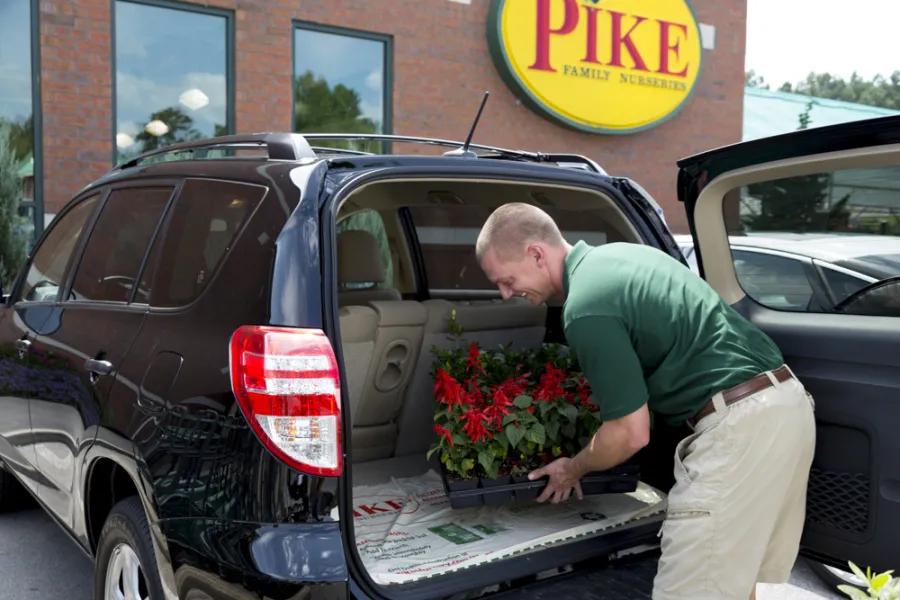
Join in on the fun with learning, crafts, kid's activities, a social media contest, and more in stores!

Landscape Design
Get Ready for Spring Planting & Book Today!
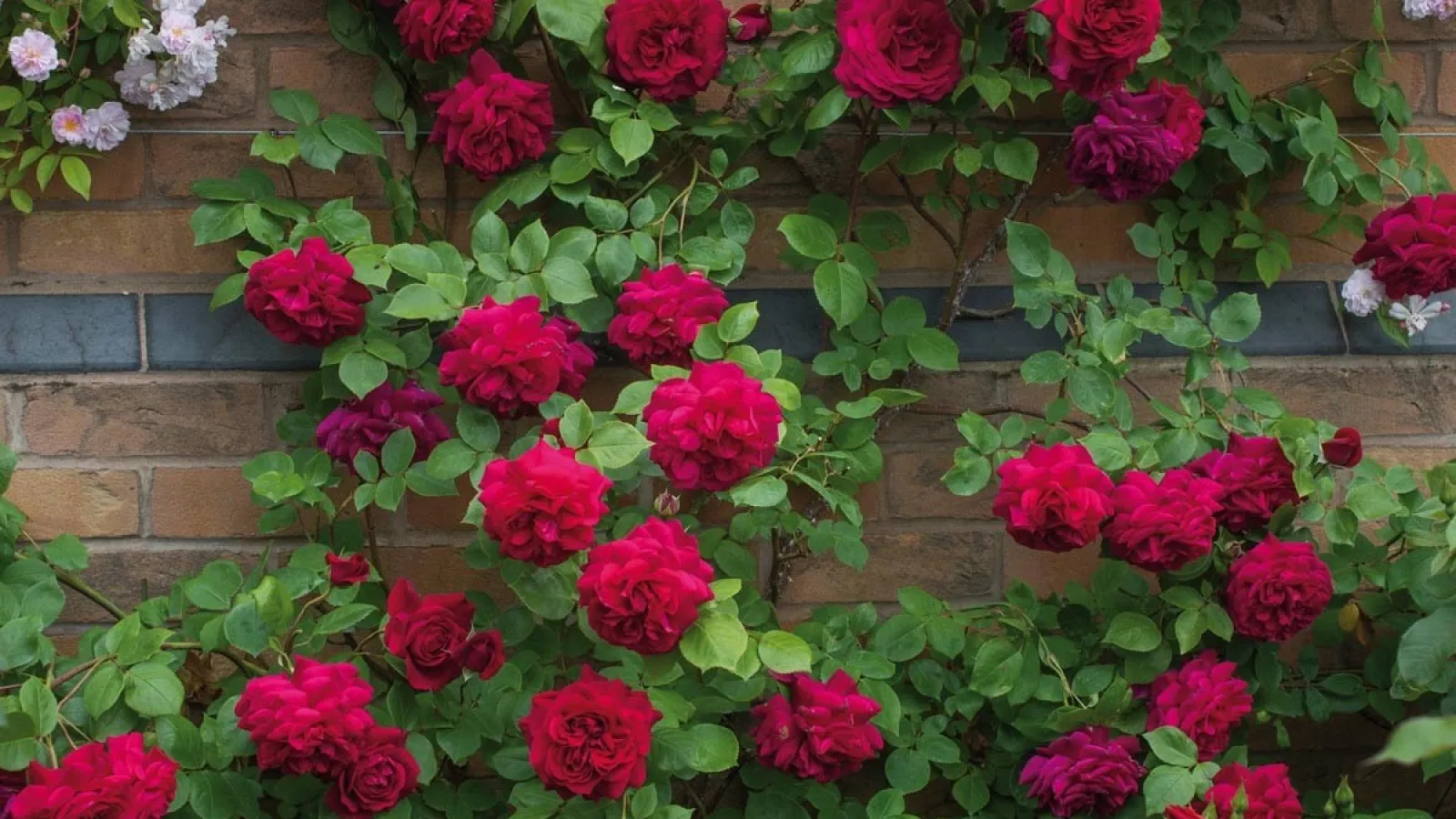
Make your design a reality. A $549 landscape design rebate will be credited to your invoice when you purchase installation services and a minimum of $3,500 in plants and materials.
Give the Gift that Grows
Houseplant Nationwide Delivery
From Our Greenhouse Shipped to Your Home
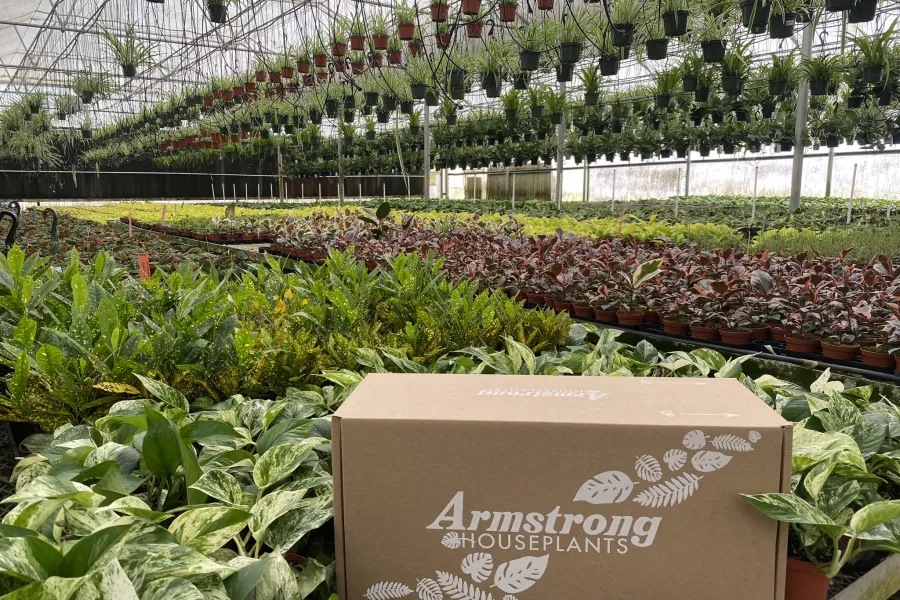
Pike Nurseries is proud to announce a new member of the brand family, Armstrong Houseplants!
Houseplants can now be shipped nationwide! That's right, you can now send a vibrant and beautiful plant to your friends and loved ones, no matter where they are. Whether you're celebrating a special occasion, saying thank you, or just want to brighten someone's day, our houseplants are the perfect gift. Order now and let us help you make your loved ones feel special!
With Armstrong Houseplants you can trust that you'll receive the same level of quality and care that Pike Nurseries is known for.
Gardening Without Guesswork®
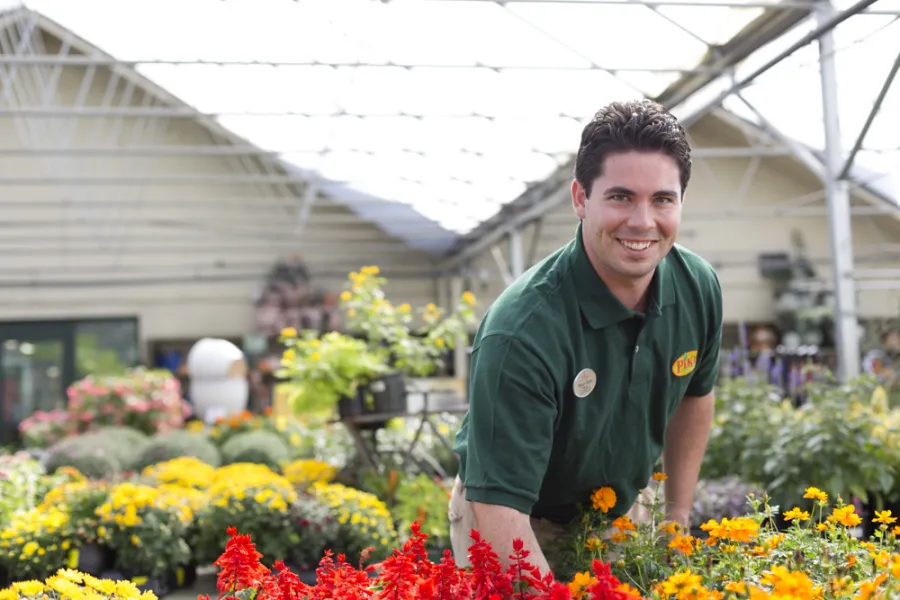
Gardening today comes with so many options-and questions. At Pike Nurseries our employee-owners want you to be able to focus on the pleasures, not the worries of gardening.
Our team of local garden experts will guide, inspire and give you the best tips for success. Our plants, vegetables, houseplants and garden products are carefully selected specifically for our neighborhoods and inspected upon arrival so you won't have to wonder if they will last or grow. Our trees and shrubs are even guaranteed for life so you can plant with confidence!
SHOP PLANTS AND GARDEN ESSENTIALS ONLINE
Shop Online
Getting your plants and garden essentials has never been easier. Visit us in-store or shop online for curbside or local delivery.
Here's how it works:
- Browse our selection of plants and garden products online.
- Our horticulturist will assemble your order within 48 hours.
- We will notify you that your order is ready for curbside pickup or local delivery.