

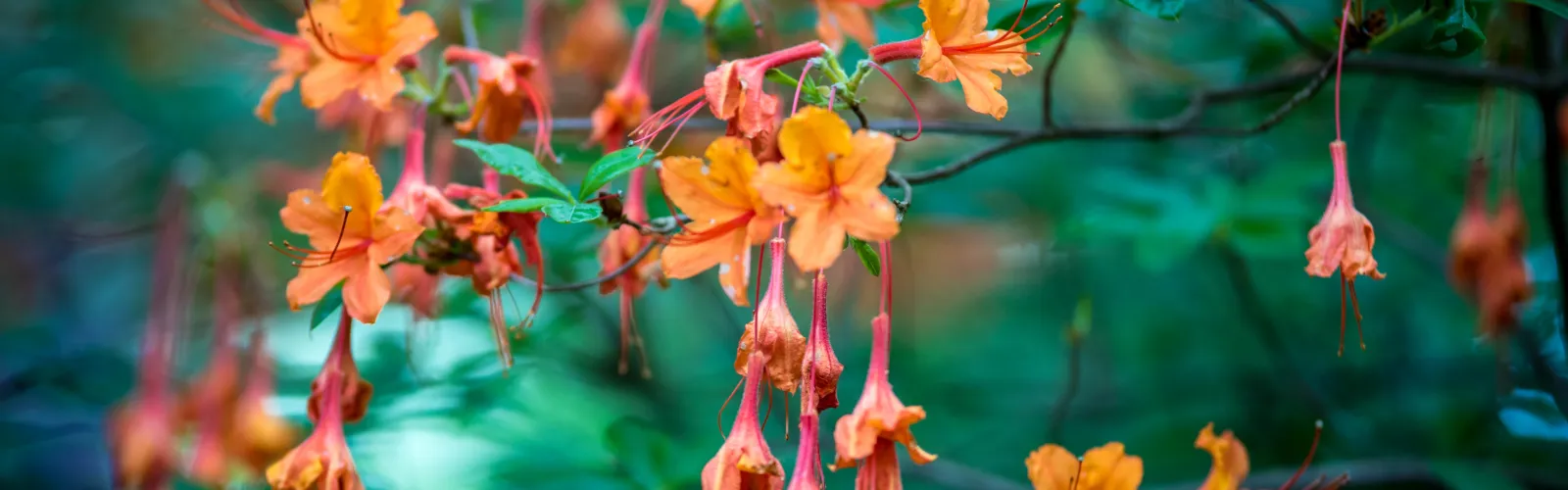
November Lawn & Garden Tips
Prepare Your Garden for Cooler Days Ahead
November offers a timely opportunity to refresh your outdoor spaces while preparing for colder days ahead. As autumn settles in, it's the ideal moment to keep your garden vibrant, protect tender plants, and fine-tune lawn care for winter. Our November lawn and garden tips bring together practical guidance and inspiration so you can plant, mulch, and maintain with confidence. Pike Nurseries carries the mulch, soil amendments, fertilizers, tools, and cold protection supplies you need to make seasonal tasks simple and effective. Explore these November lawn and garden tips to set up your garden and home for a beautiful, healthy season.
In the Garden
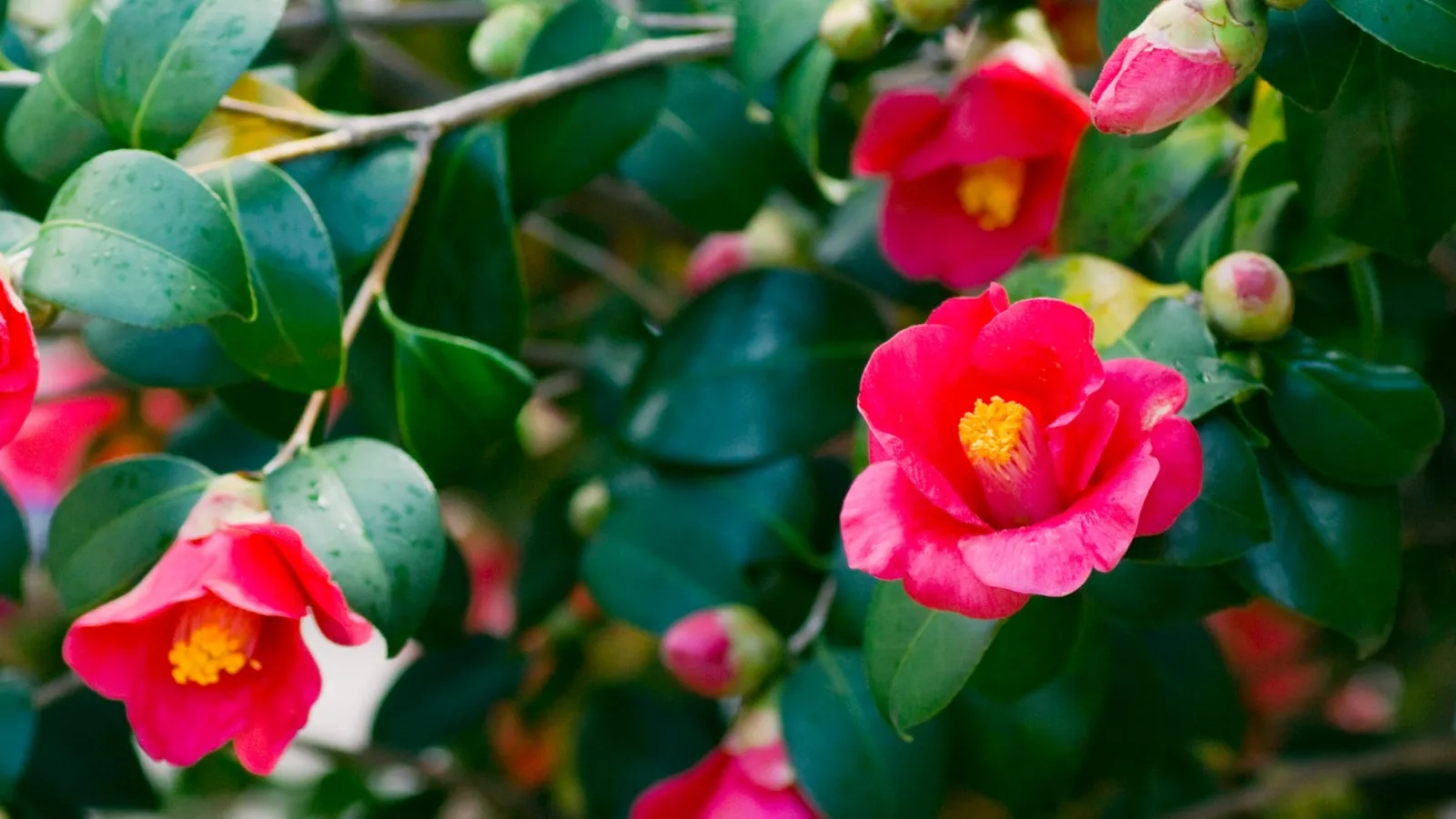
- Fall is for Planting - Cooler days paired with warm soil make November prime planting time. Add evergreen structure and seasonal charm with Camellias, Hollies, Distylium, Fragrant Tea Olives, and Nandina. For berries and wildlife interest, try Beautyberry, Viburnum, and Pyracantha to brighten borders and feed garden visitors.
- More Color, Please - Swap tired warm-season annuals for cool-season favorites. Pansies, Violas, Snapdragons, and Ornamental Kale/Cabbage keep beds lively through winter. Tuck in Creeping Jenny or Ivy to spill gracefully over containers and add texture to entryways and patios.
- Perennial Power - Get a jump on next year by planting Hellebores and Heuchera now so they can root over winter and return stronger in spring. Cut back faded herbaceous perennials, leaving 2-3 inches of stem to protect crowns, and keep a few seed heads—like Echinacea—for birds to enjoy.
- Play with Ornamental Grasses - Grasses shine in late autumn with plume, movement, and sound. Try Fountain Grass, Muhly Grass, Switchgrass, or Little Bluestem to soften edges, capture sunlight, and attract birds. These low-maintenance, drought-tolerant selections are a winning combination for four-season interest.
- Garden for Food - Plant herbs for holiday meals including rosemary, sage, thyme, and your favorites. Cool-season vegetable seeds and seedlings can go in now—try cabbage, lettuce, beets, turnips, spinach, radishes, collards, and broccoli; water thoroughly after planting. In mild climates, garlic and onions can also be planted for spring harvests. Raised beds with Pike Nurseries soil blends warm faster and offer consistent drainage for reliable growth.
- Cool-Season Watering - Outdoor plants can use more water on cool, windy days than you might expect. Check containers daily to ensure they have enough moisture and monitor landscape plants—especially newly planted ones—to prevent stress.
For the Lawn
- Keep It Going - Continue mowing and edging as needed. Remove fallen leaves promptly to prevent disease and keep grass healthy. Water deeply but less often as growth slows in cooler weather.
- Fescue Lawns: Fertilize early in the month with a balanced lawn food to build strong roots for winter.
- Warm-Season Lawns (Bermuda, Zoysia, St. Augustine, Centipede): Skip fertilizing now. Feeding too late can cause tender growth that may be damaged by frost.
- Seed and Maintain Fescue - If you are overseeding, finish early in the month. Use about 6 pounds of seed per 1,000 square feet and lightly mulch with wheat straw to protect seed and conserve moisture.
- Prevent Weeds - Apply a fall pre-emergent to warm-season lawns to stop winter weeds before they sprout. Spot-treat any existing weeds as needed.
- Aerate and Strengthen - Core aerate compacted areas to improve air, water, and nutrient flow to roots. Overseed cool-season lawns such as fescue after aerating, keeping seeds evenly moist until established. Avoid overseeding warm-season turf unless you want temporary winter color.
- Final Touches - Apply a winter fertilizer formulated for your grass type to boost root health and cold tolerance. Pike Nurseries carries fertilizers suited for your region. Follow label directions and water thoroughly after application. Raise mower height slightly, clean up leaves weekly by raking or mulch-mowing, and reduce irrigation as temperatures drop.
In the House
- Care for Indoor Plants - Prepare houseplants for indoor conditions by checking for pests and repotting only if they are rootbound. Clean leaves to improve photosynthesis and gradually acclimate plants from outdoor to indoor light. Use Pike Nurseries indoor potting mixes for well-drained, pest-free soil that supports healthy growth.
- Create a Winter Routine - Reduce watering frequency since indoor plants use less water in cooler months. Maintain steady room temperatures and increase humidity with pebble trays or small humidifiers. Rotate plants regularly for even growth and provide bright, indirect light. Feed lightly with a gentle houseplant fertilizer until days begin to lengthen in late winter.
- Start a Winter Herb Garden - Grow fresh flavor all season by planting herbs such as parsley, cilantro, chives, mint, and thyme. Use well-draining containers with indoor herb mix, place them near a sunny window, and harvest lightly to encourage new growth.
- Time for Bulb Forcing - Plant paperwhite or amaryllis bulbs around mid-November. Choose loose bulbs or kits and plant now for festive blooms to enjoy during the holidays.
- Holiday Poinsettias - Poinsettias add cheerful color to the season in shades of red, pink, white, and even autumn tones of orange and gold. They make excellent decorative houseplants throughout the holidays.
- Watch the Water - As days shorten, indoor plants drink less. Let the top layer of soil dry slightly between waterings. Yellow leaf tips usually mean overwatering, while drooping leaves may signal dryness. Grouping plants together helps raise humidity and keep them healthy through winter.
For the Birds
- Winter Prep - Keep feeders full for migrating and resident songbirds. Choose blends with high-fat ingredients such as sunflower seeds and suet to help birds maintain warmth through cold weather.
- Share Your Thanksgiving Feast - Offer a festive treat by placing fresh cranberries and unsalted nuts in an open feeder for your backyard visitors.
- Enjoy Birds with Your Coffee - Set up at least one feeder where you can watch birds from your favorite morning spot. It's a relaxing way to enjoy nature throughout the season.
- Squirrel Problems? - Use squirrel-proof feeders like Droll Yankees to protect seed and reduce waste. Spicy seed blends can also help since birds cannot taste heat, but squirrels can.
Not Sure Where to Begin?
Our Pike Nurseries horticultural experts can help. Schedule a garden consultation and let our nursery professional visit your home to identify plants, discuss care, and offer personalized tips for a beautiful, healthy landscape.
November Garden To-Do Checklist
Visit your neighborhood Pike Nurseries for expert advice, fresh plants, mulch, soil, fertilizers, and all your seasonal gardening supplies.
-
Plant evergreens, pansies, and cool-season vegetables.
-
Refresh containers with violas, kale, and trailing ivy.
-
Add mulch to protect roots and conserve moisture.
-
Use frost cloth to shield tender plants from cold nights.
-
Aerate and overseed fescue lawns; apply winter fertilizer.
-
Rake or mulch-mow fallen leaves weekly.
-
Bring houseplants indoors and clean leaves.
-
Start paperwhite or amaryllis bulbs for holiday blooms.
-
Keep bird feeders full with suet and sunflower seed.
FAQ's
At Pike Nurseries, we are your go-to source for horticultural expertise and the products you need for success in every season. If there is something you want to know that is not covered here, stop by your neighborhood Pike Nurseries and our garden experts will be happy to help.
What should I do to prepare my lawn for winter in November?
Aerate compacted areas to improve root growth and water absorption. Overseed cool-season lawns like fescue, apply a winter fertilizer to strengthen roots, and raise your mower height slightly to protect grass blades. Continue removing fallen leaves to prevent smothering, and reduce irrigation as cooler weather brings natural rainfall.
Can I still plant in November in Georgia or North Carolina?
Yes, November is one of the best months to plant in the South thanks to cool days and warm soil. Add evergreen shrubs such as Camellia, Holly, and Fragrant Tea Olive, or brighten your beds with cool-season color like Pansies, Violas, and Snapdragons. The soil stays warm enough for new roots to establish before winter.
What vegetables and herbs can I grow in November?
You can plant cool-season vegetables such as lettuce, spinach, beets, radishes, collards, broccoli, and cabbage. Herbs like rosemary, sage, thyme, parsley, and cilantro thrive in fall weather. In mild climates, garlic and onions can also be planted for spring harvest.
How do I protect tender plants from frost?
Cover plants with breathable frost cloth (avoid plastic) before overnight freezes. Move containers near a wall, under a porch, or indoors when possible. Add two to three inches of organic mulch such as shredded bark or pine straw from Pike Nurseries to insulate roots and moderate soil temperatures. Keep mulch a few inches away from stems to prevent rot.
Should I fertilize my lawn in November?
Yes, but timing and product choice depend on your grass type. Apply a winter fertilizer to cool-season lawns such as fescue early in the month. Avoid fertilizing warm-season grasses like Bermuda, Zoysia, St. Augustine, and Centipede now since they are entering dormancy and late feeding can cause tender growth that is vulnerable to frost.
Do indoor plants need special care in November?
Yes, indoor plants slow their growth as days shorten. Check soil moisture before watering and let the top inch of soil dry slightly between waterings. For best results, use a moisture meter to gauge when plants truly need water. Increase humidity with pebble trays or small humidifiers, clean dust off leaves, and rotate plants for even light. Hold off on repotting unless they are rootbound. Pike Nurseries indoor potting mixes and gentle fertilizers make maintenance easy through winter.
What can I do to attract birds to my garden in late fall?
Keep feeders full with high-fat, high-protein blends that include sunflower seeds and suet to help birds maintain energy and warmth. Add fresh cranberries or unsalted nuts for a festive Thanksgiving treat. Consider squirrel-proof feeders and spicy blends since birds cannot taste heat but squirrels can.
How often should I water plants during cool weather?
Even in cooler months, outdoor plants can dry out quickly on windy days. Check container soil daily and water deeply but less frequently. For new plantings, consistent moisture is key to helping roots establish before the first frost.